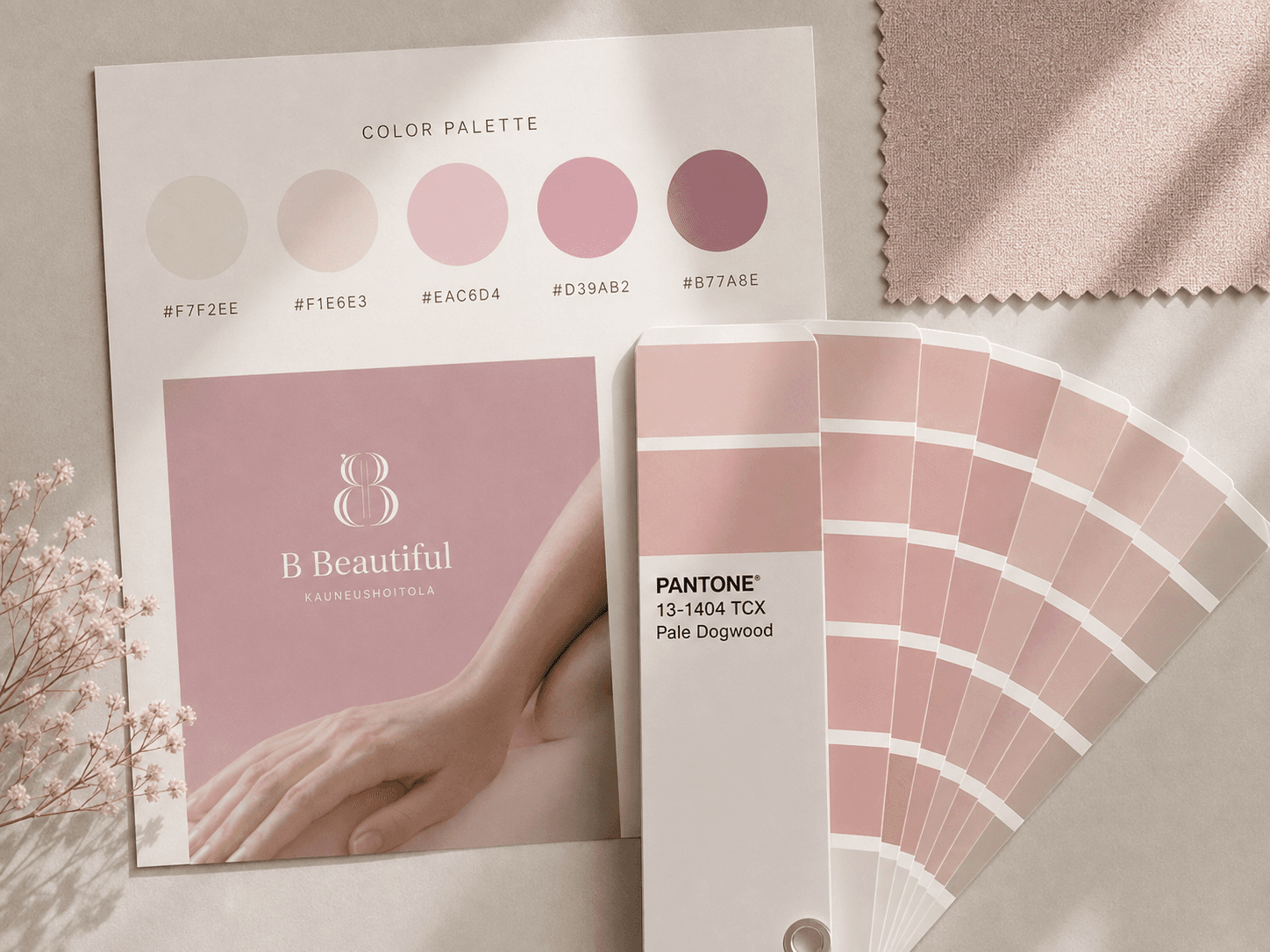
In interior architecture, the boundary between function and aesthetics is becoming increasingly blurred.
What was once hidden behind function now becomes part of the visual language of a space. Heating systems, traditionally perceived as purely technical, are increasingly treated as objects of form, rhythm, and atmosphere.
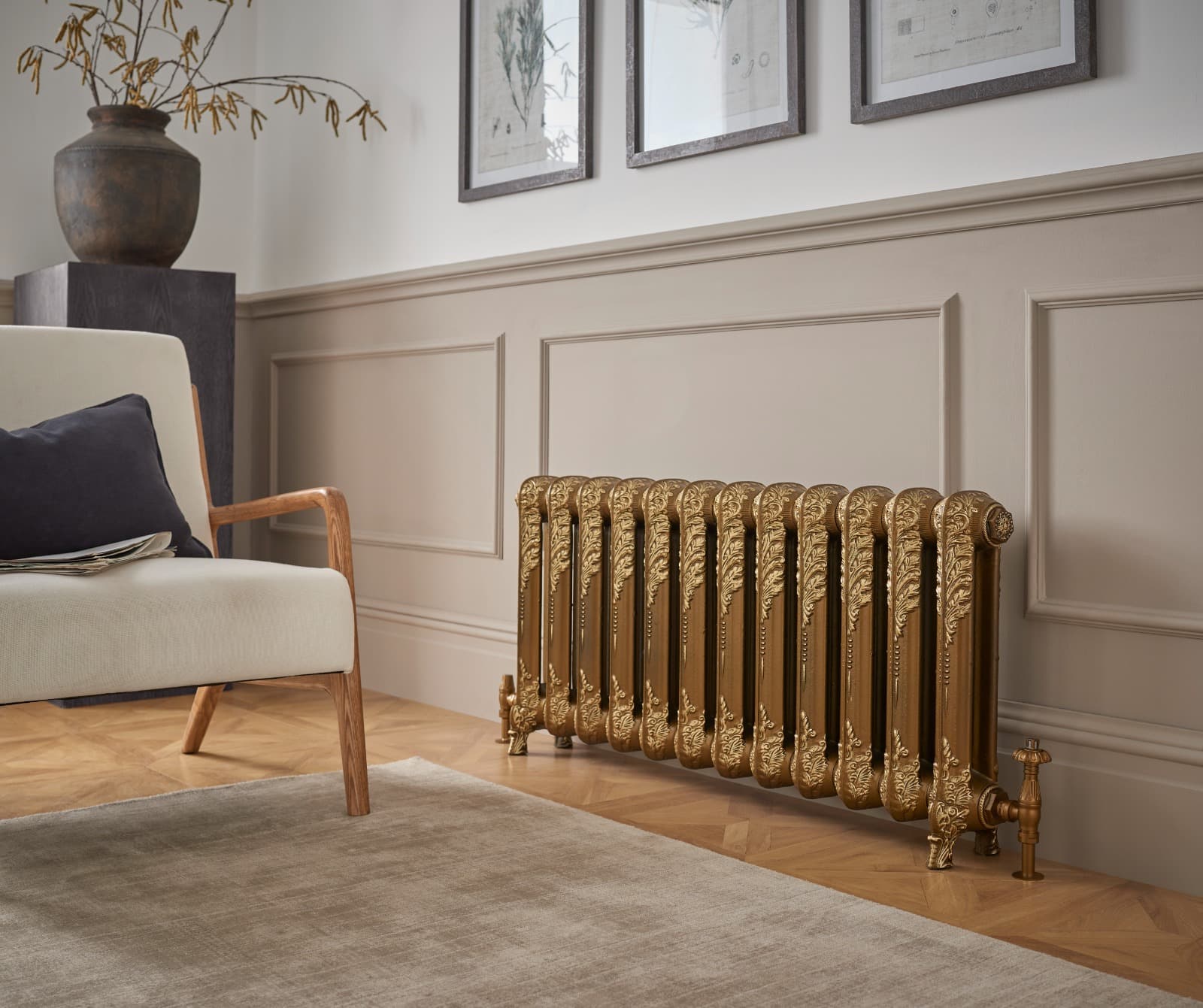
Radiaatorikeskus is an Estonian company working at exactly this intersection — where technical necessity meets contemporary interior design. Their work demonstrates how heating can move beyond utility and become part of the architectural composition itself.
Rather than treating radiators as something to disguise, the company approaches them as elements that can support the visual identity of a room. Shape, finish, proportion, and placement all become part of the design conversation.
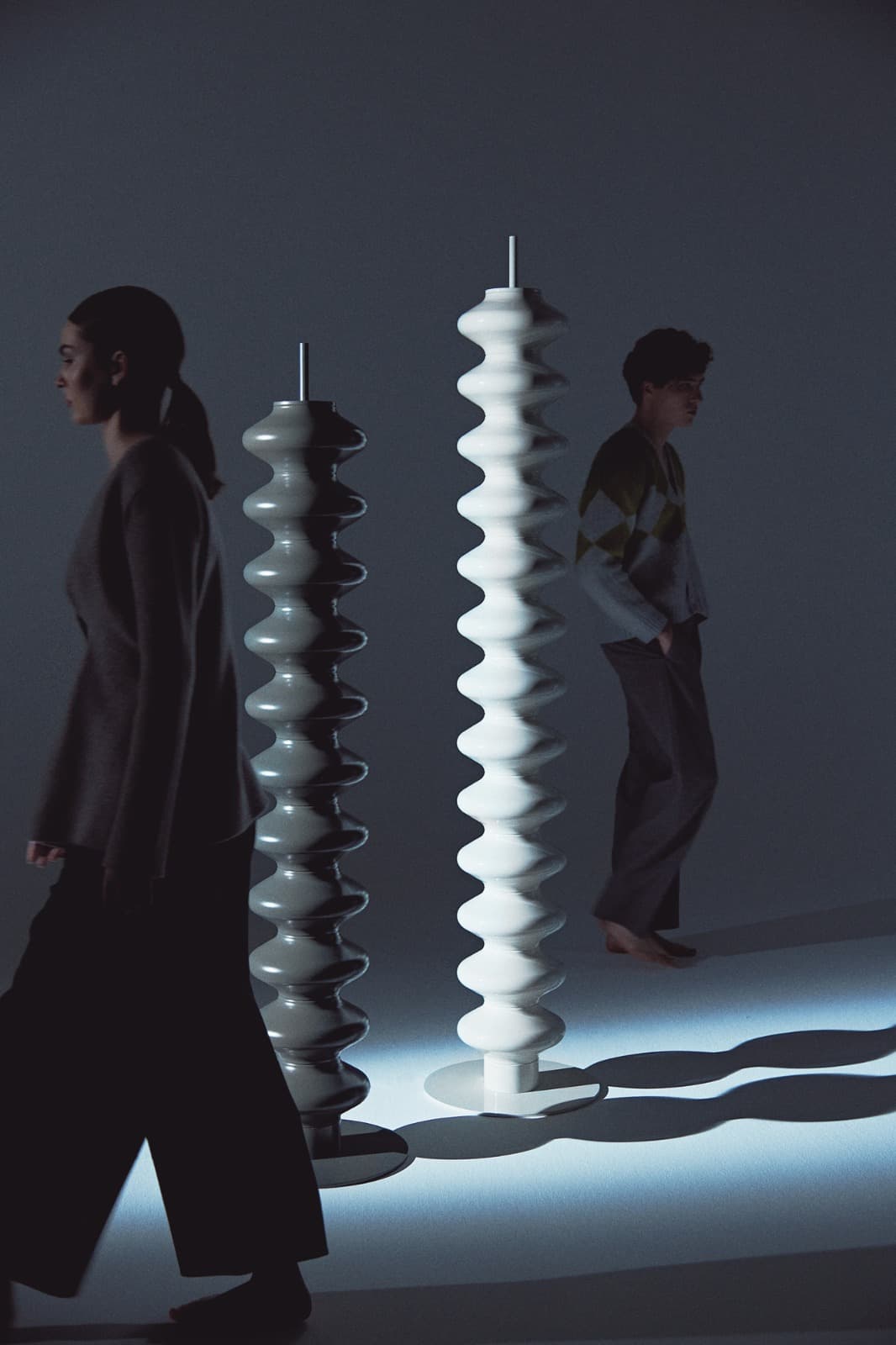
This approach reflects a wider shift in contemporary living: people are no longer separating function from beauty as strictly as before. Interiors are expected to work technically, emotionally, and visually at once.
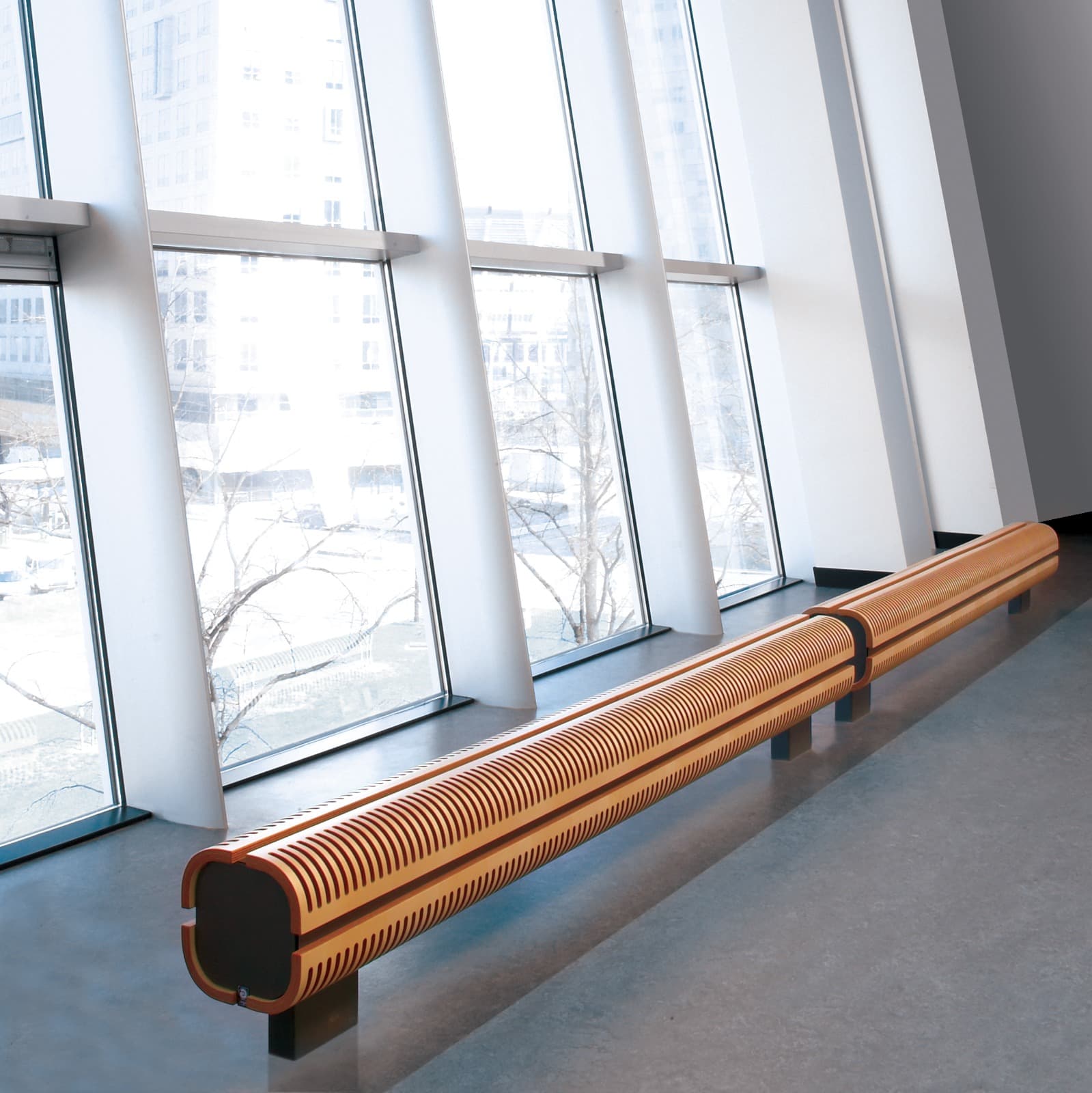
In this sense, Radiaatorikeskus operates not only as a supplier, but as part of a broader design culture — one that understands comfort as something structured through details.
What makes the company especially relevant today is its ability to position a technical product inside a more sophisticated spatial narrative. The radiator is no longer an interruption. It becomes part of the room’s balance.
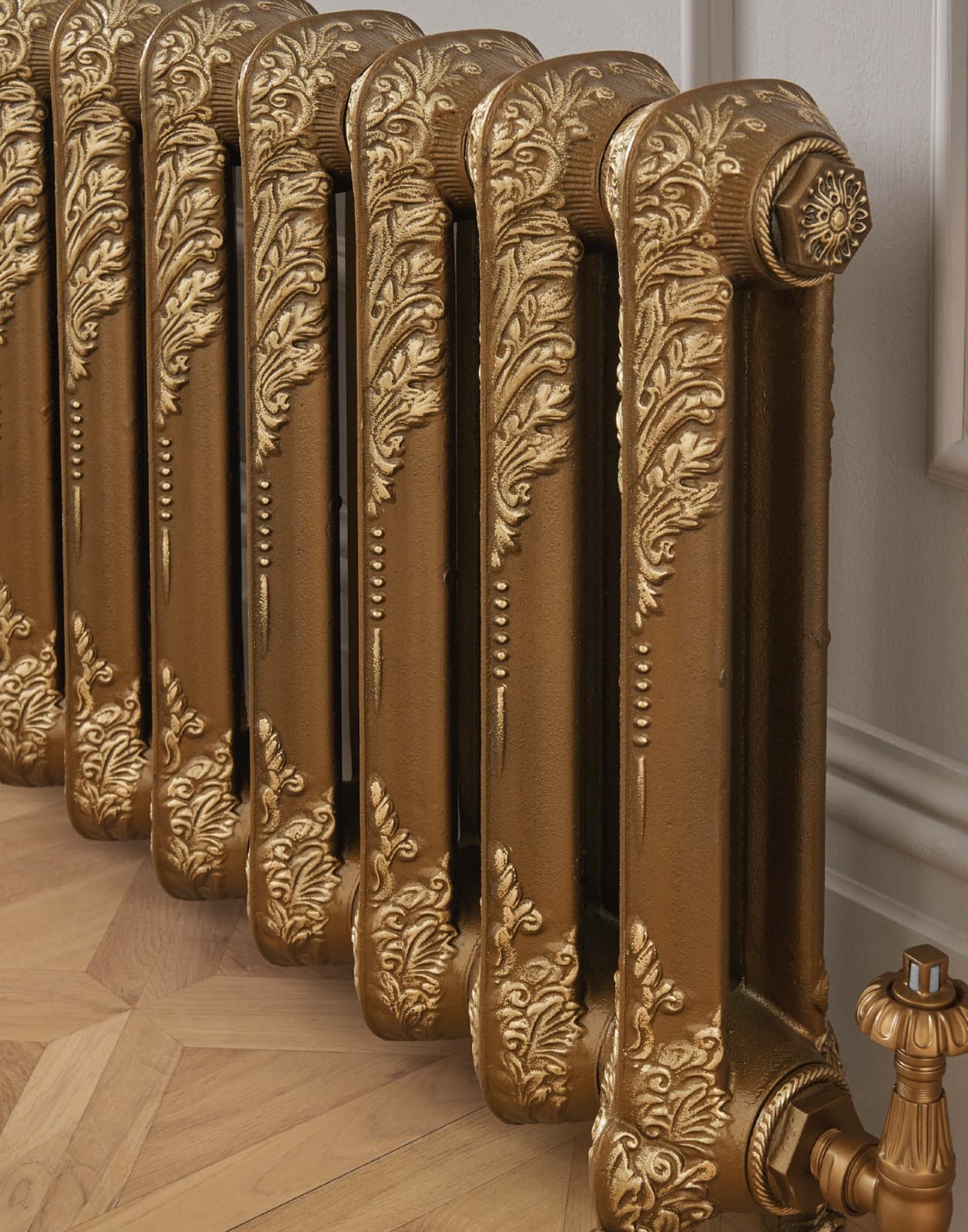
In a market where design-conscious clients are increasingly attentive to every visible element, this shift matters. It changes not only how interiors look, but how they are conceived from the beginning.
Radiaatorikeskus offers a clear example of how a business rooted in function can evolve into something more layered — practical, aesthetic, and culturally aligned with the way contemporary spaces are imagined today.
Editorial
Submit your story
Send us your pitch, article idea, or visual story. We are always open to new voices and personal perspectives.